Rooftop Poles
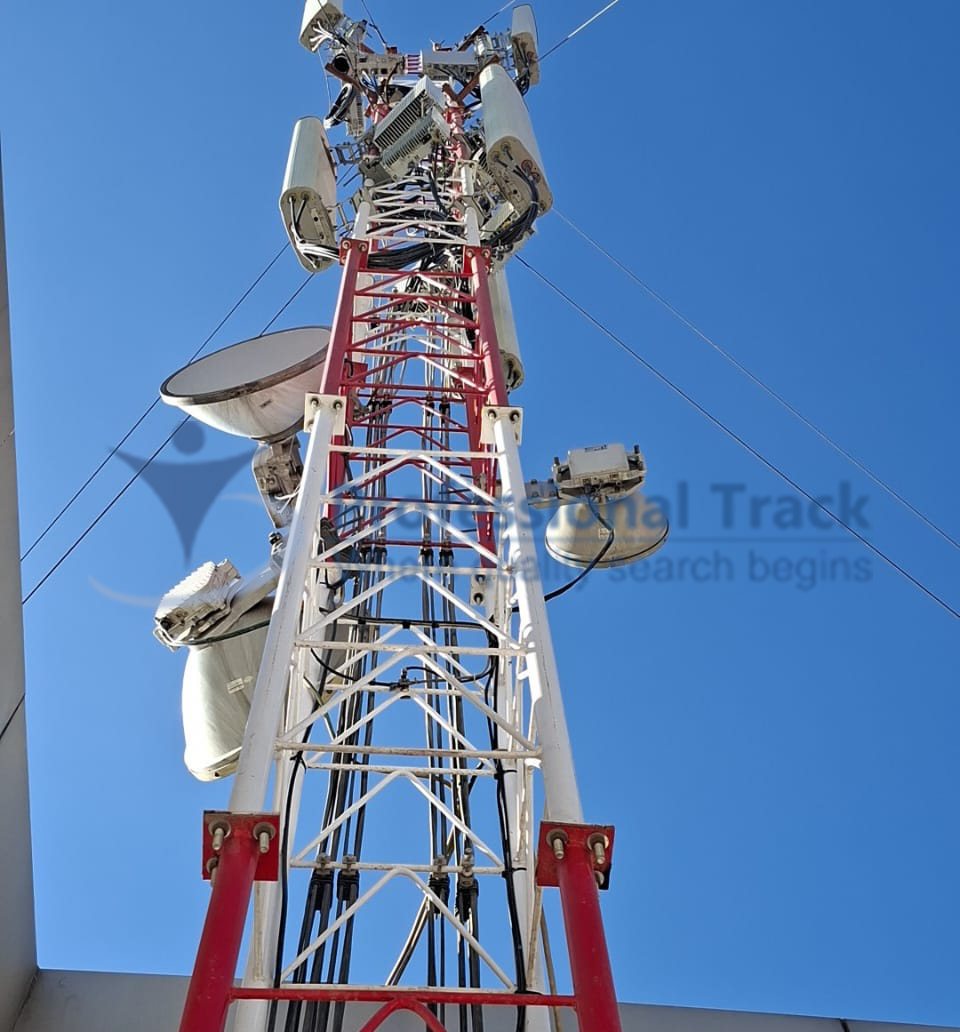
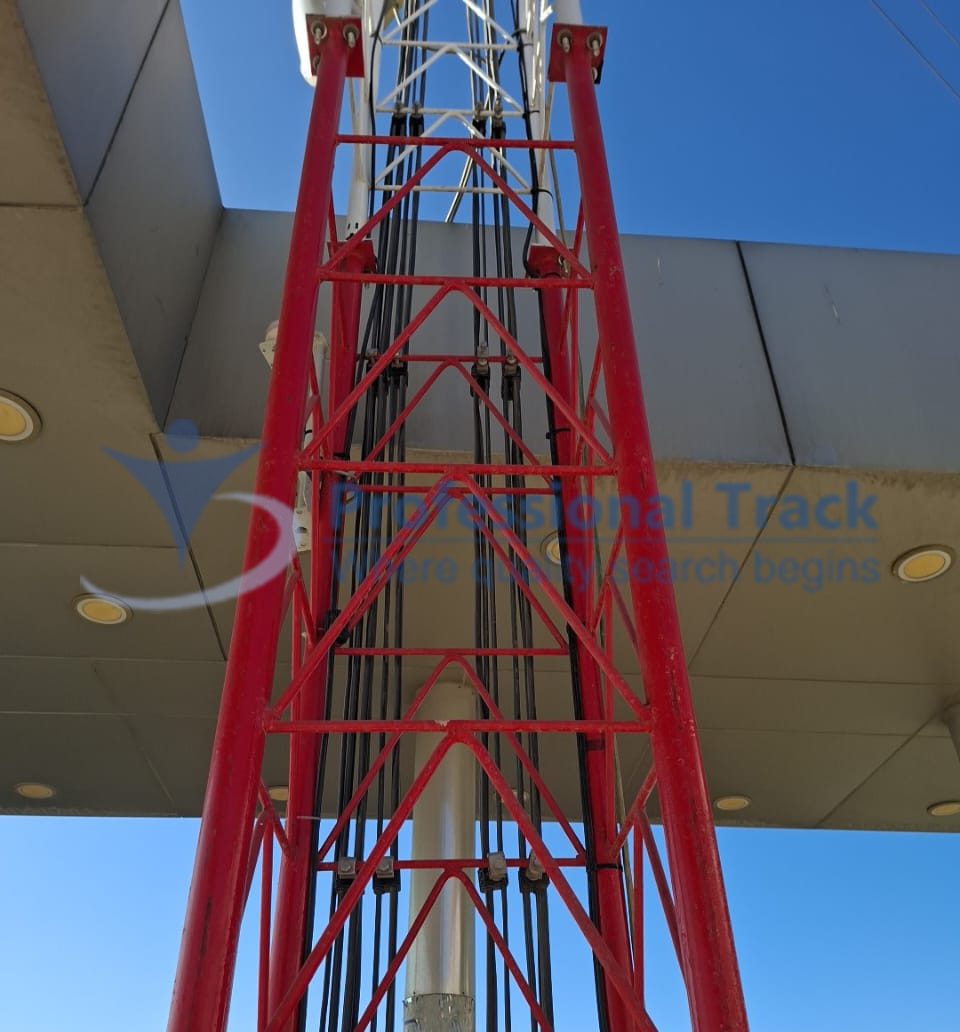
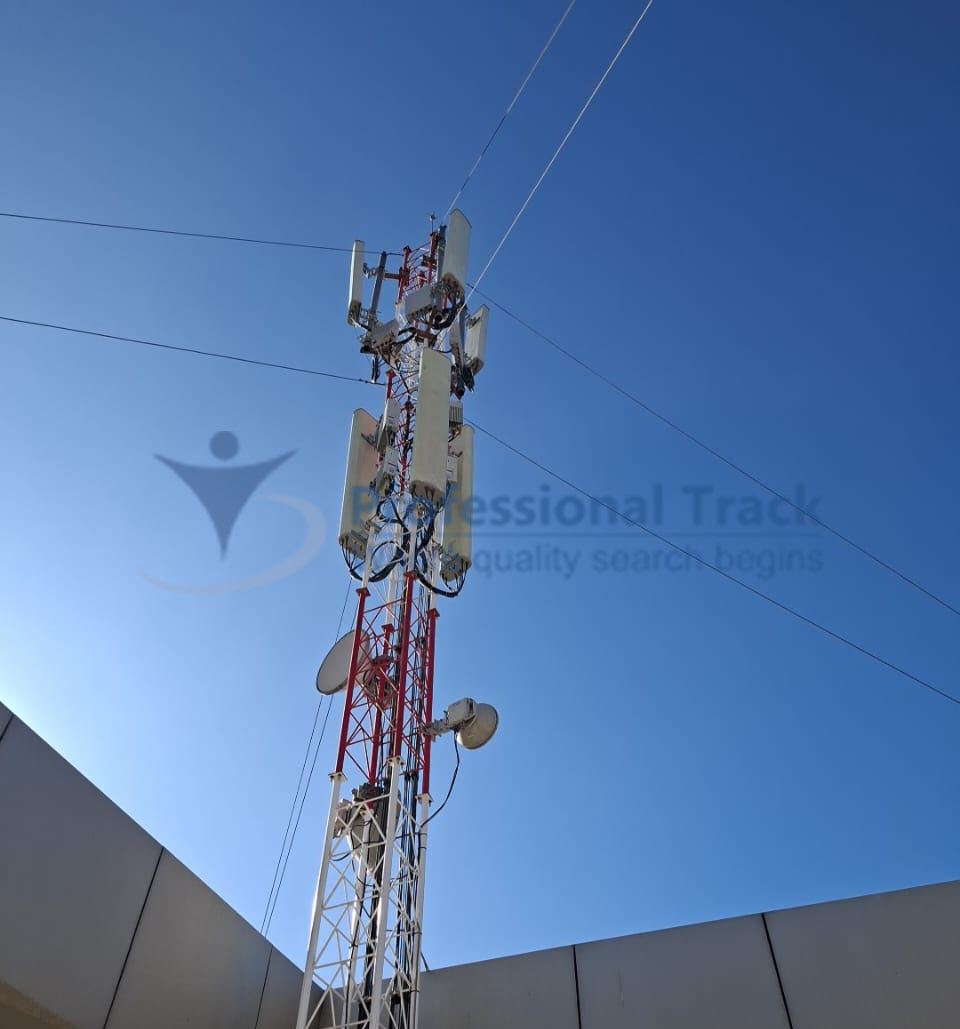
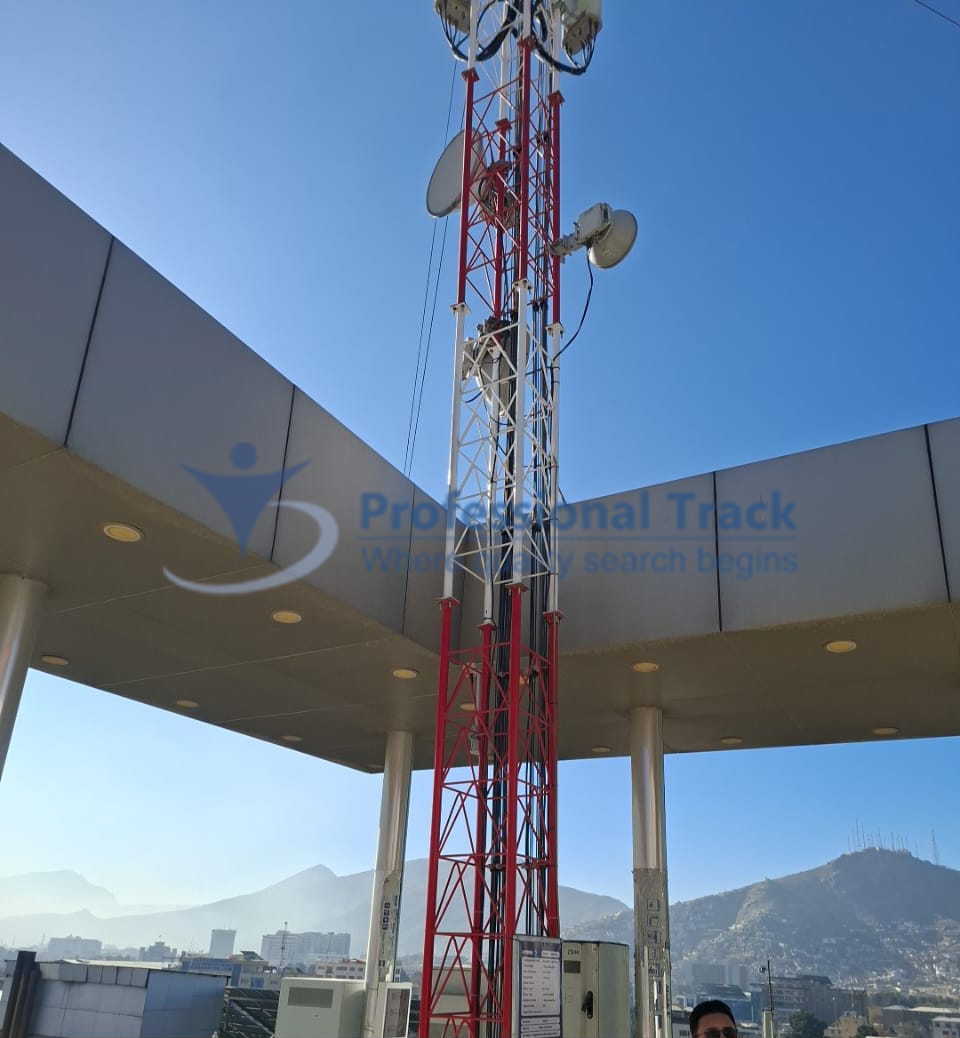
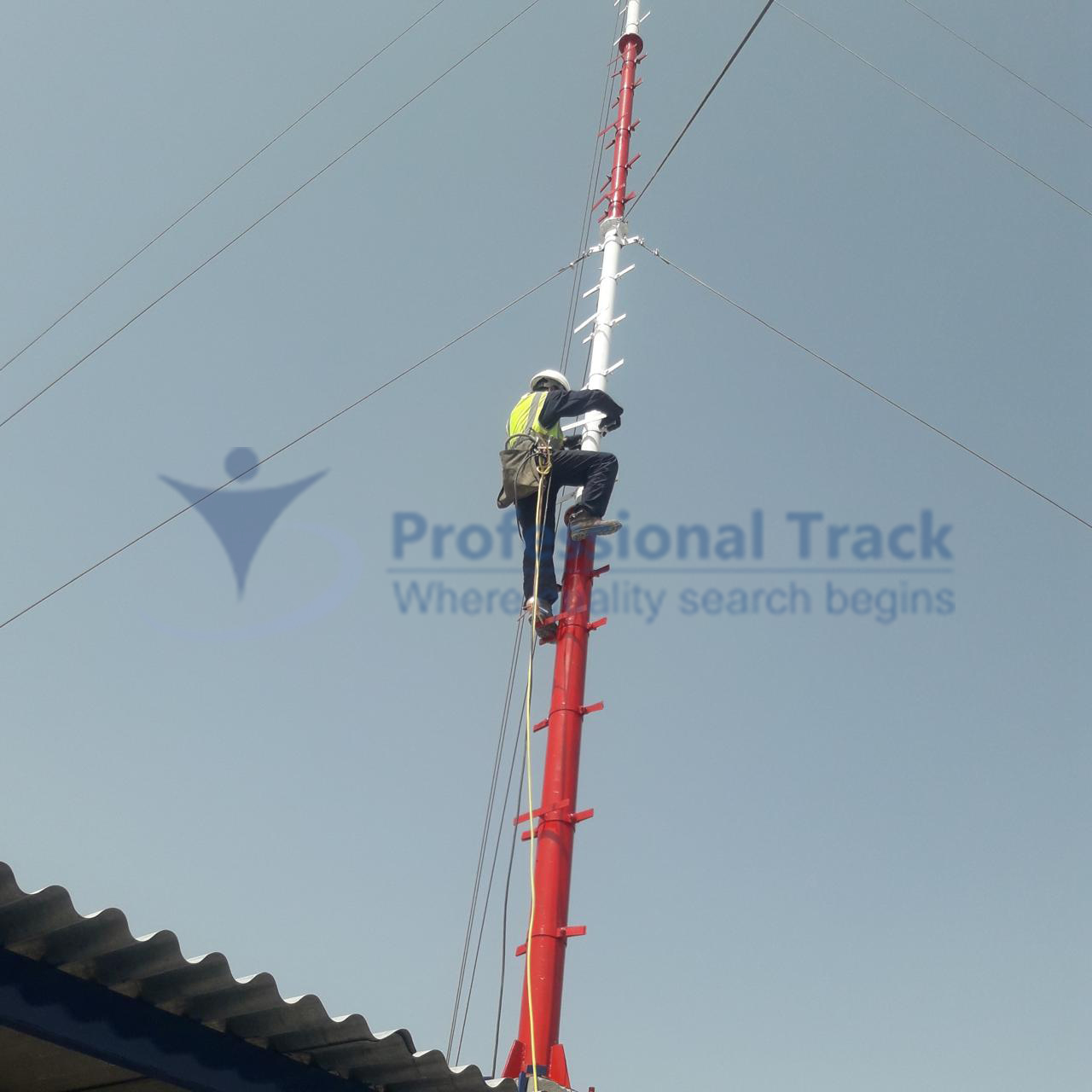
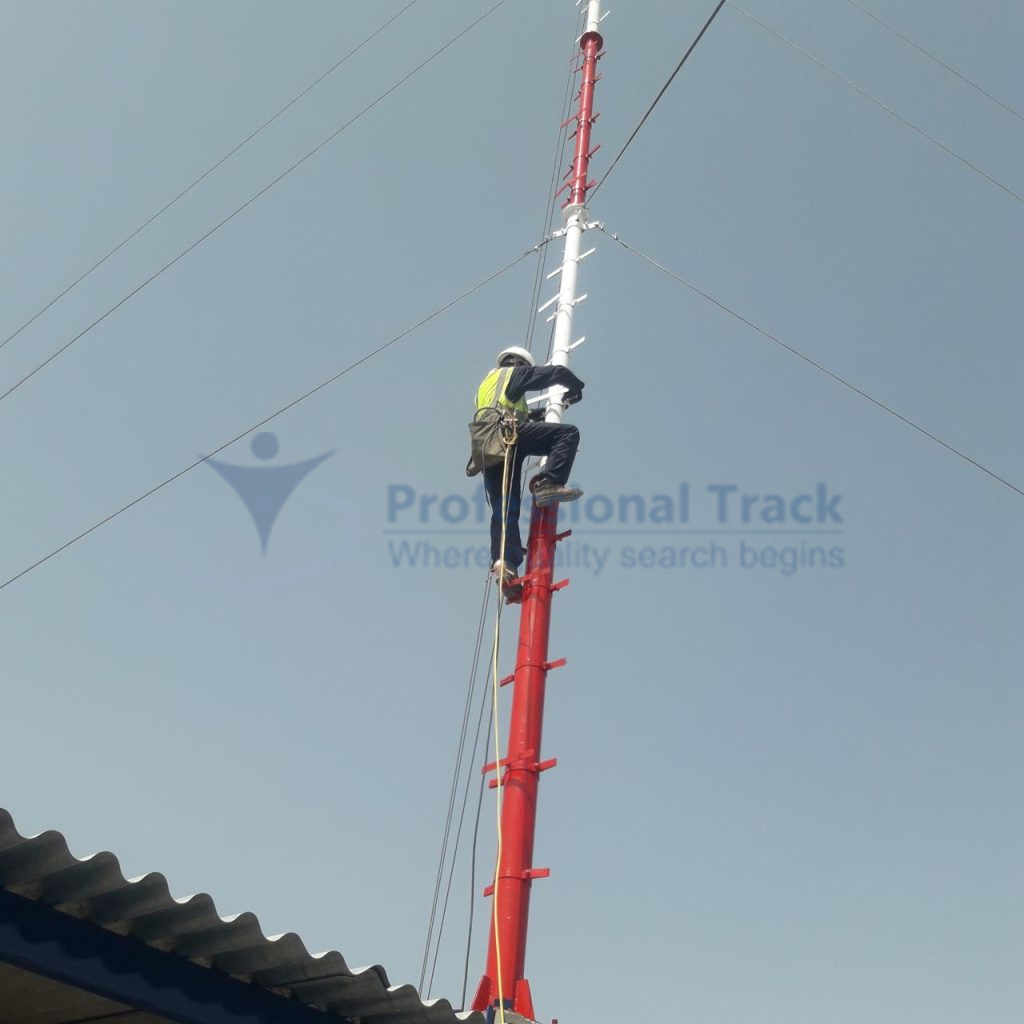
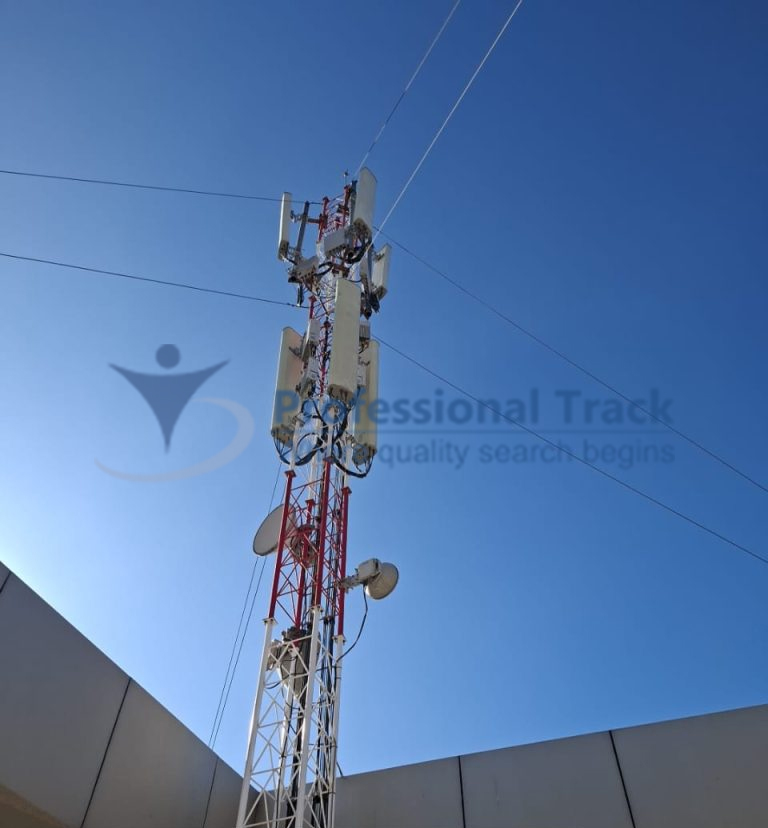
Rooftop poles are compact support structures installed on building rooftops to mount antennas, communication equipment, and monitoring devices. They are designed to provide reliable signal elevation while minimizing structural impact and visual intrusion, making them ideal for urban and commercial environments.
Key features
- Lightweight and compact design
- Ideal for rooftop installations on residential, commercial, and industrial buildings
- Galvanized or powder-coated steel for corrosion resistance
- Low visual impact, suitable for urban areas
- Customizable heights and mounting options
Common applications
- Mobile and wireless communication networks
- Internet service provider (ISP) equipment
- CCTV and security systems
- Microwave links
- Weather and environmental sensors
- Small broadcasting and radio systems
Types of Rooftop Poles
- Pipe Poles: Simple tubular steel poles, cost-effective and easy to install.
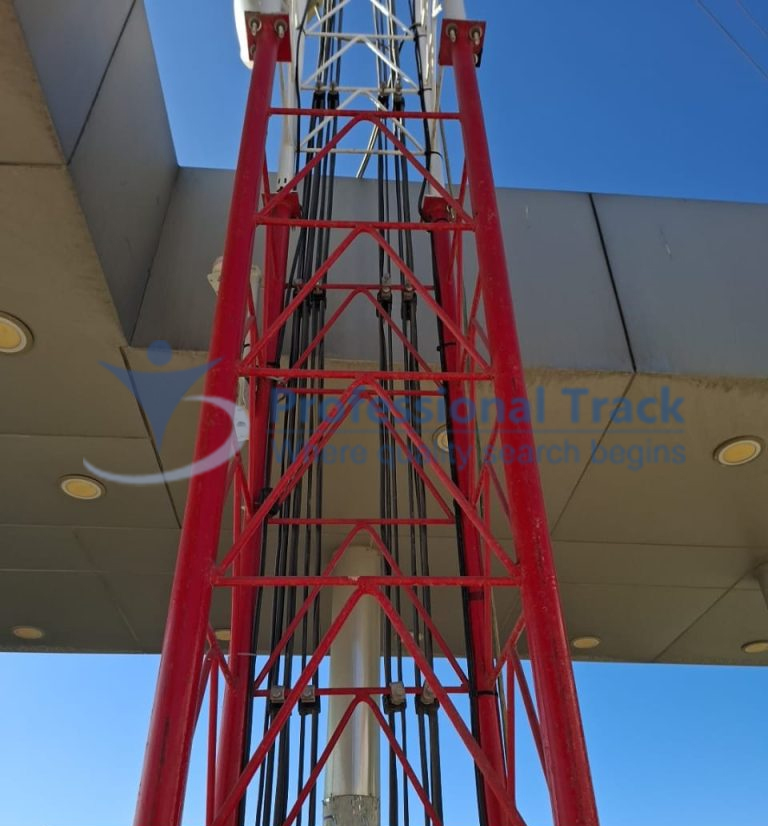
- Mounted Poles with Base Frame: Fixed to a structural frame for added stability and load capacity.
- Non-Penetrating Rooftop Poles: Installed without roof penetration using ballast blocks, protecting roof integrity.
Height range
Rooftop poles are typically available in heights ranging from 1.5 meters to 10 meters, depending on wind load, equipment weight, and building structure.
Advantages
- Quick and easy installation
- Lower cost compared to towers and masts
- Minimal ground space required
- Suitable for dense urban locations
- Flexible and customizable designs
Design considerations
- Roof load capacity and structural strength
- Wind load and equipment weight
- Local building codes and safety regulations
- Proper waterproofing for roof penetrations (if applicable)
Installation & maintenance
- Designed for safe rooftop access
- Can be wall-mounted, floor-mounted, or non-penetrating
- Minimal maintenance when properly installed and coated
Why choose Rooftop Poles?
Rooftop poles offer a practical and efficient solution for antenna mounting in areas where ground-based towers are not feasible. They combine ease of installation, affordability, and reliable performance for modern communication needs.